
Over the past decade, the orthopedic surgery landscape has dramatically changed with the advent of robotic-assisted technology. While conventional orthopedic surgery has provided life-altering outcomes for decades, robotics has added an unprecedented level of precision, personalization, and predictability that is indeed transforming patient care.
Whether you’re living with crippling knee arthritis, a hip joint problem, or contemplating a joint replacement, robotic surgery is providing patients with quicker, safer, and better results. But just how does robotic technology in orthopedics work—and why is it a game-changer?
What Is Robotic-Assisted Orthopedic Surgery?
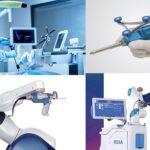
Orthopedic robotic surgery is not about substituting the surgeon but enhancing the surgeon’s skills with live information, 3D visualization, and accurate instruments that maximize precision in joint replacements—especially Total Knee Replacement (TKR) and Total Hip Replacement (THR).
With the use of advanced software, the surgeon produces a precise 3D model of the patient’s joint. With robotic arm or system used during surgery, the surgeon is aided by ensuring all cuts and implant placement are made with millimeter-level precision. This leads to improved alignment, minimal tissue damage, and more natural joint motion after surgery.
Main Benefits of Robotic-Assisted Orthopedic Surgeries
Unmatched Precision
The robot enables very precise bone cuts and implant placement. This optimizes joint function and reduces the prosthetic’s lifespan.
Customized for Every Patient
There are no two identical knees or hips. Robotic technology customizes the procedure to match your individual anatomy to provide a seamless fit for implants.
Less Discomfort and Quick Recovery
Since the robotic system reduces soft tissue trauma, patients tend to have less postoperative pain, less swelling, and shorter recovery times.
Smaller Scars
Robotic surgery is frequently minimally invasive, resulting in smaller scars and less risk of infection.
Improved Long-Term Results
Precise positioning decreases implant wear and the chance of complications, lengthening the life of your joint replacement.
Where Robotic Surgery Truly Shines
Robotic-assisted surgeries are currently used extensively in:
Total Knee Replacement
Partial Knee Replacement
Total Hip Replacement
Complex Joint Revision Surgeries
For individuals with arthritis, joint deformities, or prior failed operations, robotics provides enhanced safety and assurance of the outcome.
Conclusion
Robotic-assisted orthopedic surgery is not merely a technical advancement—it is a revolution in the way joint surgeries are planned, executed, and recovered. With improved precision, reduced recovery time, and more natural results, robotics is enabling surgeons and patients alike to attain greater orthopedic health.
Dr. Animesh Kumar, a highly experienced Orthopedic and Joint Replacement Surgeon in Goregaon, Mumbai, is at the forefront of this robotic revolution. With over 15 years of expertise in robotic knee replacement, hip replacement, and complex trauma care, he combines advanced technology with personalized patient care. If you’re ready to take the first step toward a pain-free, active life, Dr. Kumar offers the precision and professionalism you can trust.
Recent Posts
-
 ACL and Meniscus Injuries: Causes, Symptoms, and Recovery Timeline
 -
 Recovering from Hand Surgery: What to Expect During Healing
 -
 When to Return to Sports After an Injury – A Doctor’s Perspective
 -
 Why Robotic Technology Is a Game-Changer in Orthopedic Surgeries
 -
 Back in the Game: How Ortho Care Accelerates Athletic Recovery