For almost a year, Aditya kept telling himself the injuries were just part of being active.
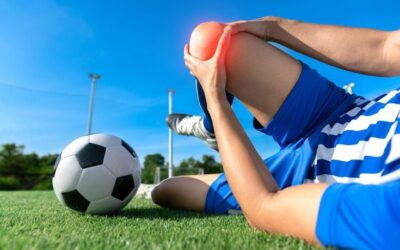
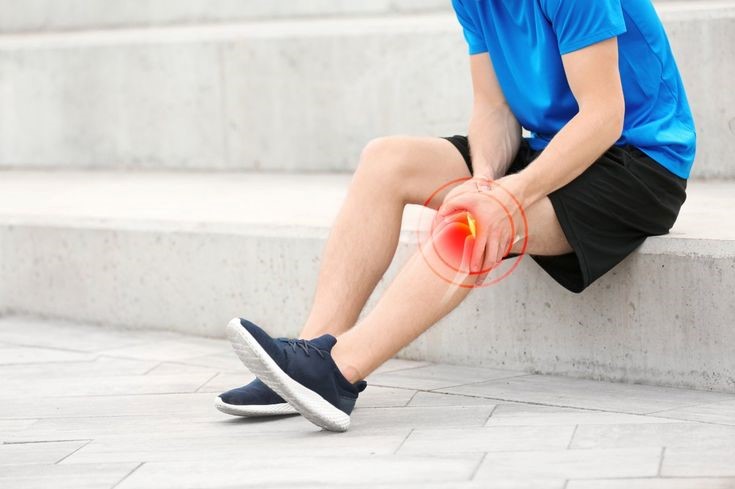
First, it was a knee strain during football practice. A few months later, his shoulder started hurting during workouts. Then came repeated ankle pain whenever he tried returning to intense training again.
Each time, he rested briefly, used pain relief sprays, and pushed himself back into sports before his body had fully recovered.
At first, it seemed manageable.
But slowly, the injuries started affecting his confidence during movement. Sudden turns felt unstable. Sprinting became uncomfortable. Even gym workouts started creating fear that the pain would return again.
Like many athletes and active individuals, Aditya was unknowingly trapped in a cycle of recurring sports injuries that continued affecting his performance, mobility, and long-term joint stability.
That situation has become increasingly common today.
Modern sports culture, high-intensity workouts, competitive pressure, insufficient recovery, and repetitive physical stress are causing many athletes to experience repeated injuries much earlier than before.
Unfortunately, recurring sports injuries are often more serious than people realize because repeated strain on joints, muscles, ligaments, and tendons may gradually increase the risk of chronic instability, cartilage damage, reduced mobility, and long-term orthopedic complications.
Many individuals continue returning to sports too quickly without understanding that the body may still be recovering internally.
Sports injuries rarely affect only one moment of performance.
Over time, repeated injuries often start influencing movement confidence, balance, flexibility, reaction speed, endurance, and physical stability during activity.
For Aditya, every new injury slowly reduced his trust in his own body. Instead of focusing fully on performance, he constantly worried about triggering pain again.
This emotional frustration is something orthopedic specialists commonly observe among athletes dealing with repeated injuries.
The body naturally needs proper healing time after physical stress and injury. But many individuals resume intense activity before muscles, ligaments, and joints have fully regained strength and stability.
This repeated strain often prevents proper recovery.
Over time, incomplete healing may contribute to recurring ligament injuries, joint instability, cartilage wear, muscle imbalance, tendon inflammation, reduced flexibility, and chronic pain during sports activity.
For some athletes, the affected joints gradually become more vulnerable to future injuries because the supporting muscles and structures remain weak.
Orthopedic specialists today are seeing a major increase in recurring sports injuries among younger adults, gym-goers, professional athletes, and recreational fitness enthusiasts.
Aggressive training routines, improper exercise techniques, lack of mobility work, insufficient recovery periods, and pressure to return quickly after injury are all contributing to this growing problem.
Many individuals focus heavily on performance but underestimate the importance of recovery and rehabilitation.
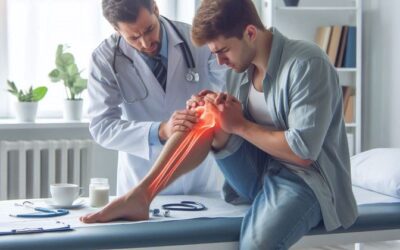
At ORTHOPOD, many patients initially visit the clinic after months of repeated injuries because the pain, weakness, or instability eventually starts affecting both sports performance and normal daily movement.
One of the biggest mistakes athletes make is ignoring early warning signs between injuries.
Recurring swelling, stiffness, joint weakness, clicking sensations, instability during movement, reduced flexibility, pain after training, or discomfort while performing specific movements are often signals that the joints require proper orthopedic attention.
Ignoring these symptoms while continuing intense physical activity may gradually worsen the condition over time.
For some individuals, repeated injuries eventually contribute to early arthritis, chronic instability, or long-term mobility problems later in life.
This is why orthopedic specialists strongly encourage early diagnosis whenever recurring sports injuries continue affecting movement or performance.
One of the biggest advantages of proper orthopedic care is identifying the underlying reason behind repeated injuries instead of treating only temporary symptoms.
For many athletes, recovery requires much more than short-term rest.
Proper rehabilitation often involves strengthening exercises, mobility correction, balance training, physiotherapy, flexibility improvement, posture correction, sports-specific conditioning, and guided return-to-activity planning.
For Aditya, orthopedic evaluation finally revealed that muscle imbalance and incomplete rehabilitation from earlier injuries were continuously increasing stress on his joints during sports activity.
With structured rehabilitation, movement correction, and strengthening-focused recovery, his stability gradually improved and his confidence during movement slowly returned again.
That long-term improvement often becomes possible only when treatment focuses on complete recovery instead of simply reducing pain temporarily.
Modern orthopedic care has significantly improved sports injury recovery and rehabilitation outcomes.
Today’s treatment approaches focus not only on healing injuries but also on restoring mobility, stability, flexibility, strength, coordination, and long-term joint protection.
Depending on the severity of the condition, treatment may involve sports injury rehabilitation, arthroscopy, ligament reconstruction, minimally invasive orthopedic procedures, physiotherapy-guided recovery, or mobility-focused rehabilitation programs.
At ORTHOPOD, personalized treatment plans are carefully designed according to each patient’s activity level, performance goals, mobility requirements, and severity of injury.
Dr. Harshad Jadhav specializes in advanced orthopedic care, arthroscopy, arthroplasty, and sports injury treatment focused on helping patients restore movement, improve stability, and safely return to active lifestyles and athletic performance.
The clinic focuses on protecting long-term joint health while supporting safe and structured recovery through modern orthopedic techniques and rehabilitation-focused care.
Many recurring sports injuries can often be prevented through proper conditioning, recovery planning, mobility exercises, gradual training progression, balanced muscle strengthening, and guided rehabilitation after injury.
Most importantly, athletes should never normalize repeated pain and instability simply because they are physically active.
Pain that repeatedly returns during sports or workouts is often the body’s signal that the joints and muscles require proper attention before long-term damage develops.
Conclusion
Recurring sports injuries may gradually affect athletic performance, mobility, movement confidence, and long-term joint stability if left untreated.
Ignoring repeated pain, instability, weakness, or stiffness may quietly increase the risk of chronic orthopedic problems, cartilage damage, reduced flexibility, and future mobility limitations over time.
Early orthopedic evaluation and proper rehabilitation can help restore strength, improve stability, protect joint health, and support safe long-term recovery before the condition becomes more severe.
At ORTHOPOD, patients receive advanced orthopedic care designed to improve movement, reduce discomfort, and support long-term recovery through personalized treatment approaches and modern orthopedic techniques.
Dr. Harshad Jadhav
ORTHOPOD Clinic, Mumbai
Website:
Orthopod Official Website
Location:
Andheri East, Mumbai, Maharashtra
Phone Number:
+91 88288 66788
Practice Hours:
Mon and Sat – 10 am to 9 pm
Sunday – 10 am to 1 pm (By Appointment)
Recent Posts
-
 (no title)
-
 Ignoring Shoulder Pain After Intense Gym Workouts While Underlying Joint and Muscle Injuries Continue Worsening
-
 Why More Athletes Are Moving Toward Minimally Invasive Orthopaedic Procedures for Recovery and Performance Demands
-
 Sports Injury Recovery Taking Too Long Due to Delayed Treatment and Improper Rehabilitation Approaches
-
 Still Playing Through Knee Injuries While Untreated ACL Tears Continue Increasing the Risk of Long-Term Joint Damage