For professional badminton player Rhea, staying physically active was never optional.
Training sessions, tournaments, fitness routines, and constant movement were part of everyday life. But after months of pushing through recurring shoulder pain, even simple movements during practice started becoming uncomfortable.
At first, she ignored it.
Like many athletes, Rhea believed rest and temporary pain relief would solve the problem. She continued training despite the stiffness because taking long breaks from sports felt impossible.
But over time, the pain gradually worsened.
Her shoulder movement became restricted. Recovery after training started taking longer. Even normal workouts began affecting her performance and confidence during matches.
That situation reflects what many athletes and active individuals silently experience today.
Modern sports and fitness demand place enormous pressure on joints, ligaments, muscles, and movement performance. As a result, many athletes are now seeking orthopaedic treatments that not only help reduce pain but also support faster recovery, improved mobility, and safer return to activity.
This is one reason minimally invasive orthopaedic procedures are becoming increasingly popular among athletes and physically active individuals worldwide.
Why Traditional Recovery Approaches Are Not Always Enough for Athletes
Athletes place much higher physical demands on their bodies compared to normal daily movement.
Even minor joint instability, ligament strain, cartilage damage, or restricted mobility can significantly affect performance, strength, flexibility, and confidence during sports activity.
For Rhea, temporary pain relief and rest were no longer enough because the underlying shoulder problem continued affecting movement quality during training.
Many athletes face similar situations where recurring pain, swelling, stiffness, or instability repeatedly returns despite short-term treatments.
When physical performance remains compromised for long periods, proper orthopedic evaluation becomes extremely important.
Why Minimally Invasive Orthopaedic Procedures Are Becoming More Popular
Modern orthopaedic care has advanced significantly over the years.
Today, minimally invasive procedures allow orthopaedic specialists to diagnose and treat certain joint and ligament problems using smaller incisions, advanced surgical techniques, and more precise treatment approaches.
Compared to traditional open surgeries, minimally invasive procedures often involve:
- Smaller surgical cuts
- Reduced tissue damage
- Faster recovery timelines
- Less post-procedure discomfort
- Improved mobility recovery
- Lower risk of complications
- Earlier rehabilitation support
For athletes especially, faster and safer recovery becomes extremely important because long recovery periods may directly affect training schedules, competitions, and overall performance goals.
This is one reason many sports professionals increasingly prefer minimally invasive orthopaedic solutions whenever appropriate for their condition.
Why Arthroscopy Is Transforming Sports Injury Treatment
One of the most commonly used minimally invasive orthopaedic techniques today is arthroscopy.
Arthroscopy allows orthopaedic specialists to examine and treat joint-related problems using a tiny camera and specialized instruments inserted through very small incisions.
This approach is commonly used for conditions involving:
- ACL injuries
- Meniscus tears
- Shoulder instability
- Cartilage damage
- Ligament injuries
- Sports-related joint problems
For Rhea, advanced orthopedic evaluation revealed that repeated shoulder strain had started affecting joint stability and movement efficiency.
Through minimally invasive treatment and structured rehabilitation, her recovery became more focused, controlled, and movement-oriented.
That recovery process helped her gradually regain confidence while returning safely to sports activity again.
Why Faster Recovery Matters So Much for Athletes
For athletes and active individuals, recovery is not only about reducing pain.
The ability to regain mobility, flexibility, strength, balance, coordination, and performance confidence safely is equally important.
Long recovery periods can affect training consistency, mental confidence, muscle conditioning, and overall physical readiness.
Minimally invasive orthopedic procedures often support earlier rehabilitation and mobility-focused recovery compared to more extensive traditional procedures in suitable cases.
This allows many patients to begin structured physiotherapy and movement rehabilitation sooner during the healing process.
However, orthopedic specialists carefully evaluate each patient individually because not every injury requires surgery or minimally invasive procedures.
The treatment approach always depends on the severity of the condition, lifestyle demands, sports activity level, and long-term mobility goals.
Why Delaying Treatment Can Affect Long-Term Joint Health
One of the biggest mistakes many athletes make is continuing activity despite recurring pain and instability.
For some individuals, untreated sports injuries gradually increase stress on surrounding cartilage, ligaments, muscles, and joints over time.
Repeated strain may eventually contribute to chronic pain, reduced mobility, joint degeneration, recurring injuries, and early arthritis.
At ORTHOPOD, many athletes initially visit the clinic after months of managing recurring discomfort independently before realizing the injury requires structured orthopedic care.
Early diagnosis often plays a major role in protecting long-term joint health and improving recovery outcomes.
How Modern Orthopedic Rehabilitation Supports Better Performance Recovery
Recovery after sports injuries involves much more than healing damaged tissue.
Modern rehabilitation programs now focus on restoring movement quality, flexibility, strength, balance, endurance, and sport-specific performance safely and gradually.
For athletes like Rhea, rehabilitation becomes one of the most important parts of the recovery journey.
Without proper rehabilitation, even successful procedures may not fully restore movement confidence or performance ability.
This is why orthopedic specialists combine advanced treatment with physiotherapy-guided recovery, strengthening programs, mobility correction, and gradual return-to-sport planning.
Why Athletes Trust Advanced Orthopedic Care at ORTHOPOD
Athletes and active individuals today increasingly seek orthopedic clinics that combine advanced medical expertise with recovery-focused sports rehabilitation.
ORTHOPOD has become a trusted destination for orthopedic care in Mumbai because of its patient-centric approach, advanced treatment techniques, minimally invasive orthopedic procedures, and commitment to improving long-term mobility and joint performance.
Dr. Harshad Jadhav specializes in advanced orthopedic care, arthroscopy, arthroplasty, and sports injury treatment focused on helping patients restore movement, improve stability, and safely return to active lifestyles.
The clinic focuses on personalized treatment planning designed according to each patient’s activity level, performance goals, mobility needs, and severity of injury.
Why Prevention and Early Attention Matter for Athletes
Many sports-related orthopedic problems become more severe because athletes ignore recurring pain during the early stages.
Pain, instability, swelling, stiffness, or reduced movement quality should never be continuously ignored during physical activity.
Early orthopedic evaluation, proper conditioning, guided recovery, mobility training, and structured rehabilitation all play important roles in protecting long-term joint health and athletic performance.
Conclusion
Modern athletes increasingly demand treatment approaches that support faster recovery, improved mobility, reduced downtime, and safer return to physical activity.
Minimally invasive orthopedic procedures are helping many individuals recover more effectively while protecting long-term joint health and performance goals.
Ignoring recurring sports injuries or delaying treatment may gradually increase the risk of long-term joint damage, instability, reduced mobility, and chronic orthopedic problems over time.
At ORTHOPOD, patients receive advanced orthopedic care designed to improve movement, reduce discomfort, and support long-term recovery through personalized treatment approaches, minimally invasive procedures, and modern rehabilitation-focused orthopedic techniques.
Dr. Harshad Jadhav
ORTHOPOD Clinic, Mumbai
Website:
Orthopod Official Website
Location:
Andheri East, Mumbai, Maharashtra
Phone Number:
+91 88288 66788
Practice Hours:
Mon and Sat – 10 am to 9 pm
Sunday – 10 am to 1 pm (By Appointment)
Recent Posts
-
 Why More Athletes Are Moving Toward Minimally Invasive Orthopaedic Procedures for Recovery and Performance Demands
-
 Sports Injury Recovery Taking Too Long Due to Delayed Treatment and Improper Rehabilitation Approaches
-
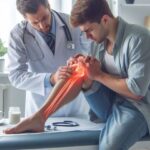 Still Playing Through Knee Injuries While Untreated ACL Tears Continue Increasing the Risk of Long-Term Joint Damage
-
 Why Modern Office Lifestyles Are Increasing Orthopaedic Problems Faster Than Ever Before
-
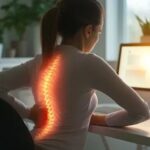 Ignoring Lower Back Pain After Long Working Hours? It Could Lead to Chronic Spine Problems