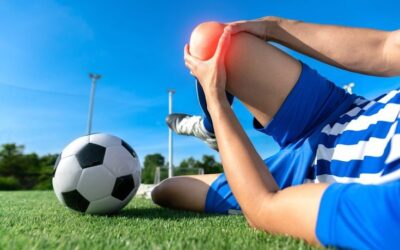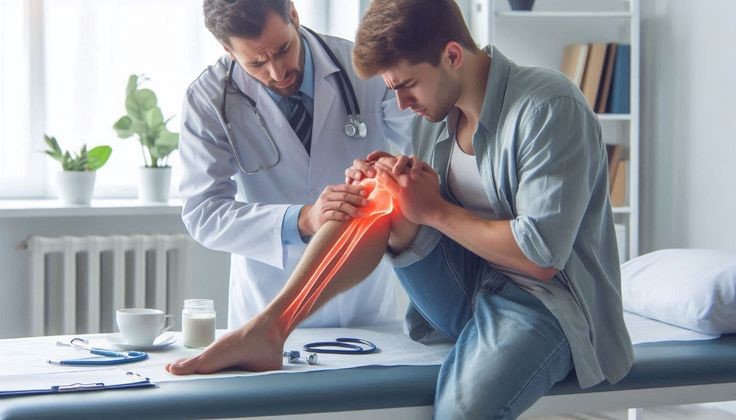
When Arjun injured his knee during a football match, he initially believed it was just a temporary twist.
There was pain for a few days, slight swelling, and difficulty walking properly, but after some rest, the discomfort started reducing gradually.
So he returned to playing again.
Like many active young adults and athletes, Arjun ignored the injury because the knee felt “good enough” after a while.
But over the next few months, something didn’t feel right.
His knee occasionally felt unstable while running. Sudden movements created sharp discomfort. Climbing stairs became uncomfortable after intense activity, and sometimes the knee felt like it might “give way” during sports.
Still, he continued pushing through the pain.
That situation reflects what many athletes, gym-goers, and active individuals silently experience today.
ACL injuries are among the most commonly ignored knee problems, especially during the early stages when swelling and pain temporarily improve.
Unfortunately, untreated ACL tears can quietly increase the risk of long-term joint instability, cartilage damage, meniscus injuries, early arthritis, and chronic knee problems over time.
Many individuals continue playing through the injury without realizing the damage inside the knee may still be progressing silently.
What Is an ACL Tear and Why Is It So Important?
The ACL, or Anterior Cruciate Ligament, is one of the major ligaments that helps stabilize the knee joint during movement.
It plays a critical role in activities involving running, jumping, sudden direction changes, twisting movements, and sports-related motion.
ACL injuries commonly occur during sports like football, cricket, basketball, badminton, gym workouts, and other high-impact activities involving rapid knee movement.
For Arjun, the injury happened during a sudden turn while playing football.
At first, the swelling reduced after rest, making the injury seem less serious. But internally, the ligament damage continued affecting the knee’s stability during movement.
This is one reason many ACL tears remain untreated for long periods.
The pain may reduce temporarily, but the instability inside the knee often continues silently.
Why Many People Ignore ACL Injuries Initially
One of the biggest reasons ACL tears often remain untreated is because symptoms sometimes improve after the initial injury phase.
Once swelling reduces and walking becomes easier again, many individuals assume the knee has healed completely.
But recurring symptoms often continue appearing during movement.
Some people experience knee instability while running or climbing stairs. Others notice clicking sensations, weakness, swelling after activity, or difficulty trusting the injured leg during sports.
For active individuals especially, continuing sports without proper treatment may place repeated stress on the damaged structures inside the knee.
Over time, this increases the risk of cartilage wear, meniscus tears, joint degeneration, and long-term mobility problems.
Why Untreated ACL Tears Can Lead to Long-Term Joint Damage
The ACL helps keep the knee stable during movement.
When the ligament becomes partially or completely torn, the knee may lose proper support during twisting, jumping, running, or sudden directional movements.
Without treatment, the unstable knee often experiences repeated stress during everyday activities and sports.
Over time, this instability may gradually damage surrounding cartilage and meniscus tissue inside the joint.
For some individuals, untreated ACL injuries eventually contribute to chronic knee pain, recurrent swelling, reduced mobility, weakness, and even early arthritis.
This silent progression is why orthopedic specialists strongly encourage early diagnosis whenever recurring instability or knee discomfort appears after an injury.
Why Sports Injuries Are Increasing Among Young Adults
Orthopedic specialists today are seeing a significant increase in sports-related knee injuries among younger individuals.
Competitive sports, intense gym training, lack of proper conditioning, sudden high-impact workouts, and insufficient recovery routines are all increasing stress on the knee joints and ligaments.
Many individuals return to physical activity too quickly after injury without proper rehabilitation or orthopedic evaluation.
For some, this creates repeated strain on already weakened knee structures.
At ORTHOPOD, many patients initially visit the clinic months after an ACL injury because the instability and discomfort gradually begin affecting performance, confidence, and daily movement.
Why Early Orthopedic Evaluation Matters After Knee Injuries
One of the biggest advantages of early orthopedic consultation is preventing long-term joint damage before it progresses further.
When diagnosed early, ACL injuries can often be managed more effectively through rehabilitation-focused physiotherapy, strengthening programs, mobility training, sports injury recovery, and advanced orthopedic treatment approaches.
Depending on the severity of the tear and the patient’s activity level, treatment may involve non-surgical rehabilitation or ACL reconstruction surgery.
For Arjun, proper orthopedic evaluation finally helped identify the actual source of his recurring instability and discomfort.
With structured rehabilitation and guided treatment, his knee strength gradually improved, movement became more stable, and he regained confidence during physical activity again.
That long-term recovery often becomes possible only when the injury receives proper orthopedic attention instead of being continuously ignored.
Advanced Orthopedic Treatments Are Improving ACL Recovery Outcomes
Modern orthopedic care has significantly improved recovery outcomes for sports injuries and ACL tears.
Advanced treatment approaches now focus on restoring knee stability, preserving joint health, improving mobility, and helping patients safely return to sports and physical activity.
Depending on the condition, treatment may involve arthroscopy, ligament reconstruction, physiotherapy-guided rehabilitation, mobility improvement programs, sports injury management, and minimally invasive orthopaedic procedures.
At ORTHOPOD, personalized treatment plans are carefully designed according to each patient’s activity level, mobility goals, sports requirements, and severity of knee damage.
Dr. Harshad Jadhav specializes in advanced orthopaedic care, arthroscopy, arthroplasty, and sports injury treatment focused on helping patients restore movement, stability, and long-term joint health safely and effectively.
Why Recovery and Rehabilitation Are Just as Important as Treatment
One of the most overlooked parts of ACL recovery is rehabilitation.
Many individuals focus only on pain reduction while ignoring muscle strengthening, mobility correction, balance training, and movement rehabilitation.
Proper rehabilitation helps restore knee strength, flexibility, joint control, and movement confidence after injury.
Without rehabilitation, the risk of re-injury and long-term instability often remains much higher.
This is why orthopaedic specialists emphasize structured recovery programs after sports injuries and ACL treatment.
Why Patients Trust ORTHOPOD for Advanced Sports Injury Care
Patients today increasingly seek orthopedic clinics that combine advanced medical expertise with personalized, recovery-focused sports injury treatment.
ORTHOPOD has become a trusted destination for orthopedic care in Mumbai because of its patient-centric approach, modern treatment techniques, rehabilitation-focused care, and commitment to improving long-term mobility and joint health.
The clinic focuses on helping patients reduce pain, restore stability, improve movement confidence, and return safely to active lifestyles through advanced orthopedic care and personalized recovery planning.
Conclusion
Continuing sports and physical activity through untreated ACL injuries may quietly increase the risk of long-term joint damage, instability, cartilage wear, and chronic knee problems over time.
Ignoring recurring knee instability, swelling, or pain after injury may eventually affect movement confidence, sports performance, mobility, and long-term joint health.
Early orthopedic evaluation and proper treatment can help restore knee stability, improve recovery, protect cartilage health, and reduce the risk of future complications before the condition becomes more severe.
At ORTHOPOD, patients receive advanced orthopedic care designed to improve movement, reduce discomfort, and support long-term recovery through personalized treatment approaches and modern orthopedic techniques.
Dr. Harshad Jadhav
ORTHOPOD Clinic, Mumbai
Website:
Orthopod Official Website
Location:
Andheri East, Mumbai, Maharashtra
Phone Number:
+91 88288 66788
Practice Hours:
Mon and Sat – 10 am to 9 pm
Sunday – 10 am to 1 pm (By Appointment)
Recent Posts
-
 Why More Athletes Are Moving Toward Minimally Invasive Orthopaedic Procedures for Recovery and Performance Demands
 -
 Sports Injury Recovery Taking Too Long Due to Delayed Treatment and Improper Rehabilitation Approaches
 -
 Still Playing Through Knee Injuries While Untreated ACL Tears Continue Increasing the Risk of Long-Term Joint Damage
 -
 Why Modern Office Lifestyles Are Increasing Orthopaedic Problems Faster Than Ever Before
 -
 Ignoring Lower Back Pain After Long Working Hours? It Could Lead to Chronic Spine Problems