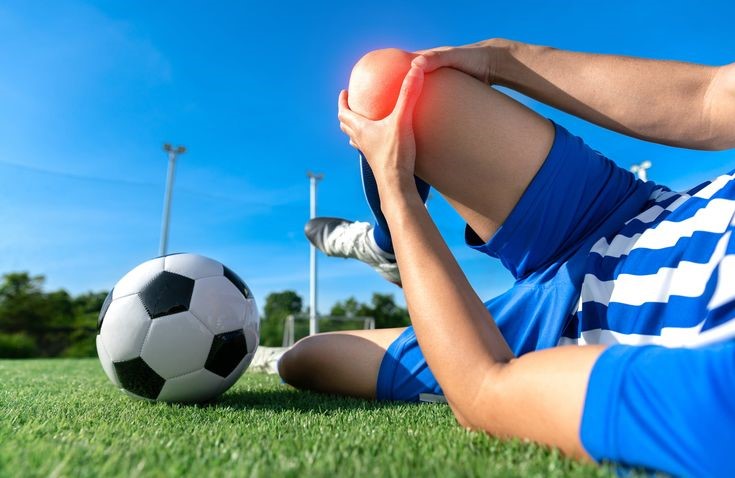
When Kabir injured his shoulder during a weekend cricket match, he believed a few days of rest would be enough.
At first, the pain felt manageable.
There was slight swelling, discomfort while lifting the arm, and stiffness during movement, but after a week, the pain reduced slightly. So he returned to work, resumed gym sessions, and slowly started playing sports again without proper treatment.
But the discomfort never completely disappeared.
Some days his shoulder felt weak during workouts. Other days, sudden movements created sharp pain. Even sleeping comfortably on one side became difficult after intense activity.
Still, Kabir avoided seeing an orthopedic specialist because he assumed the injury would eventually heal naturally.
Months later, the pain was still affecting him.
That situation reflects what many active individuals and athletes silently experience today.
Sports injuries are often underestimated during the early stages, especially when swelling and pain temporarily improve. Unfortunately, delayed treatment and improper rehabilitation can quietly slow recovery while increasing the risk of long-term joint instability, muscle weakness, reduced mobility, repeated injuries, and chronic orthopedic problems.
Many people return to physical activity too quickly without understanding that the injured tissues may still require proper healing and structured rehabilitation.
Why Many Sports Injuries Do Not Heal Properly on Their Own
The body naturally attempts to recover after injury.
But certain orthopedic injuries involving ligaments, tendons, joints, cartilage, muscles, or shoulder and knee structures often require more than temporary rest alone.
For Kabir, the shoulder injury initially appeared minor because the swelling reduced after a few days. But internally, the damaged tissues were still under stress during movement and workouts.
This is one reason many sports injuries become long-term problems.
The pain may improve temporarily, but the underlying instability, inflammation, or weakness often continues silently without proper orthopedic care.
Over time, repeated strain on an incompletely healed injury may worsen the condition further.
Why Delayed Treatment Can Slow Recovery Significantly
One of the biggest mistakes many athletes and active individuals make is delaying orthopedic evaluation after injury.
People often continue playing, working out, or returning to physical activity because the discomfort feels “manageable.”
Unfortunately, delayed treatment may allow the injured structures to experience repeated stress before proper healing occurs.
For some individuals, untreated sports injuries gradually contribute to chronic inflammation, joint instability, cartilage wear, reduced flexibility, muscle imbalance, and recurring pain during movement.
This is especially common in shoulder injuries, ACL tears, ligament strains, tendon injuries, ankle sprains, and repetitive sports-related stress injuries.
At ORTHOPOD, many patients visit the clinic weeks or months after the original injury because the pain and weakness continue affecting movement and performance long after the incident.
Why Improper Rehabilitation Often Causes Repeated Injuries
Many people believe recovery ends once the pain starts reducing.
But rehabilitation is one of the most important parts of orthopedic recovery.
Without proper strengthening, mobility correction, flexibility training, and guided rehabilitation, injured muscles and joints often remain weak even after the initial pain improves.
For Kabir, returning to sports too quickly without proper rehabilitation kept placing stress on the weakened shoulder structures repeatedly.
This created ongoing instability and slowed his recovery significantly.
Improper rehabilitation not only delays healing but may also increase the risk of re-injury during physical activity later.
This is why orthopedic specialists strongly emphasize structured rehabilitation programs after sports injuries.
Why Sports Injuries Are Increasing Among Young Adults
Orthopedic specialists today are seeing a major rise in sports injuries among younger adults, gym-goers, fitness enthusiasts, and recreational athletes.
Intense workout routines, improper training techniques, lack of conditioning, insufficient recovery time, and sudden high-impact activities are all increasing orthopedic stress on joints and muscles.
For some individuals, physically demanding routines combined with weak supporting muscles create additional strain on the knees, shoulders, ankles, and spine.
Many people also underestimate the importance of recovery after injury, which further increases long-term orthopedic complications.
How Early Orthopedic Care Improves Recovery Outcomes
One of the biggest advantages of early orthopedic consultation is protecting the injured area before long-term damage develops.
When diagnosed early, sports injuries can often recover more effectively through proper treatment planning, physiotherapy, strengthening exercises, mobility improvement, rehabilitation-focused recovery, and activity modification.
Depending on the condition, treatment may involve minimally invasive procedures, ligament reconstruction, arthroscopy, sports injury management, or structured rehabilitation programs.
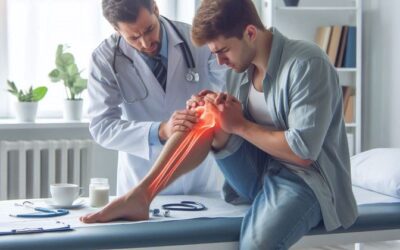
For Kabir, proper orthopedic evaluation finally helped identify the actual source of his recurring shoulder instability and discomfort.
With guided rehabilitation and recovery-focused treatment, his movement gradually improved, shoulder strength returned, and daily activities became more comfortable again.
That improvement often becomes possible only when treatment focuses on complete recovery rather than temporary pain reduction alone.
Advanced Orthopedic Treatments Are Improving Sports Injury Recovery
Modern orthopedic care has evolved significantly in recent years.
Today’s treatment approaches focus not only on healing injuries but also on restoring mobility, strength, flexibility, joint stability, and movement confidence safely and effectively.
At ORTHOPOD, personalized treatment plans are carefully designed according to each patient’s activity level, lifestyle habits, mobility goals, sports requirements, and severity of injury.
Dr. Harshad Jadhav specializes in advanced orthopedic care, arthroscopy, arthroplasty, and sports injury treatment focused on helping patients recover safely while protecting long-term joint health and mobility.
The clinic focuses on helping patients return comfortably to active lifestyles through structured recovery planning and modern orthopedic care.
Why Patience and Structured Recovery Matter After Injury
One of the most important lessons many athletes learn too late is that healing takes time.
Returning to intense physical activity before proper recovery often places unnecessary stress on already weakened structures.
Recovery involves much more than pain reduction alone.
Muscle balance, flexibility, movement control, joint stability, and confidence during physical activity all need proper rehabilitation before returning fully to sports.
This is why orthopedic specialists strongly encourage guided recovery instead of rushing back into activity too quickly.
Why Patients Trust ORTHOPOD for Advanced Sports Injury Care
Patients today increasingly seek orthopedic clinics that combine advanced medical expertise with personalized, rehabilitation-focused treatment.
ORTHOPOD has become a trusted destination for orthopedic care in Mumbai because of its patient-centric approach, modern treatment techniques, recovery-focused rehabilitation, and commitment to improving long-term mobility and quality of life.
The clinic focuses on helping patients reduce discomfort, restore strength, improve stability, and return safely to active lifestyles through advanced orthopedic care and personalized recovery planning.
Conclusion
Sports injury recovery often takes longer when treatment is delayed or rehabilitation is incomplete.
Ignoring recurring pain, weakness, instability, or stiffness after injury may quietly increase the risk of long-term joint damage, repeated injuries, reduced mobility, and chronic orthopedic problems over time.
Early orthopedic evaluation and proper rehabilitation can help improve healing, restore strength, protect long-term joint health, and support safe recovery before the condition becomes more severe.
At ORTHOPOD, patients receive advanced orthopedic care designed to improve movement, reduce discomfort, and support long-term recovery through personalized treatment approaches and modern orthopedic techniques.
Dr. Harshad Jadhav
ORTHOPOD Clinic, Mumbai
Website:
Orthopod Official Website
Location:
Andheri East, Mumbai, Maharashtra
Phone Number:
+91 88288 66788
Practice Hours:
Mon and Sat – 10 am to 9 pm
Sunday – 10 am to 1 pm (By Appointment)
Recent Posts
-
 Sports Injury Recovery Taking Too Long Due to Delayed Treatment and Improper Rehabilitation Approaches
-
 Still Playing Through Knee Injuries While Untreated ACL Tears Continue Increasing the Risk of Long-Term Joint Damage
-
 Why Modern Office Lifestyles Are Increasing Orthopaedic Problems Faster Than Ever Before
-
 Ignoring Lower Back Pain After Long Working Hours? It Could Lead to Chronic Spine Problems
-
 How Poor Posture, Desk Jobs, and Sedentary Work Culture Are Quietly Damaging Joint and Spine Health in Young Professionals