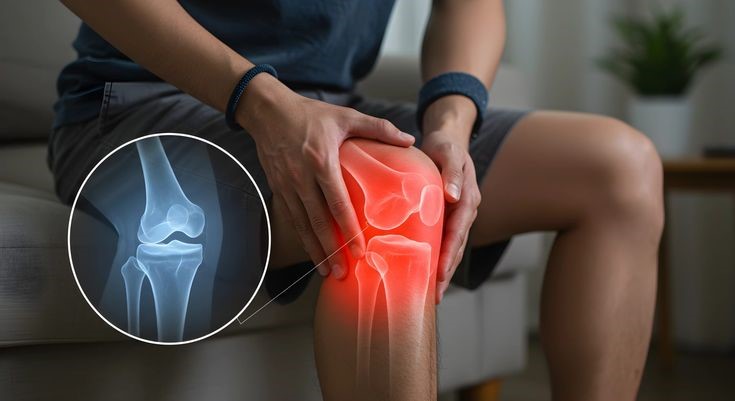
For almost two years, Sunita slowly changed the way she lived her everyday life.
Not because she wanted to.
Because her joint pain forced her to.
She stopped taking evening walks with her husband because her knees started hurting after a few minutes. Sitting comfortably during family functions became difficult. Even simple activities like bending down, standing for long periods in the kitchen, or getting up from bed in the morning started feeling exhausting.
At first, she ignored it.
Some days the pain felt manageable. Other days it disappeared completely for a while, making her believe the problem was temporary.
But slowly, the discomfort returned more frequently.
Over time, the pain quietly became part of her daily routine.
That situation reflects what many people silently experience today.
Constant joint pain is no longer affecting only elderly individuals. Working professionals, homemakers, gym-goers, athletes, and even younger adults are increasingly struggling with persistent joint discomfort that gradually affects movement, flexibility, comfort, sleep quality, and overall confidence in daily life.
Unfortunately, many people continue tolerating the pain for years without understanding that persistent joint discomfort may indicate underlying orthopedic conditions requiring proper medical attention.
Why Joint Pain Often Gradually Becomes Worse Over Time
Joint pain rarely begins as a severe problem overnight.
In many cases, the discomfort develops slowly through repeated stress, inflammation, cartilage wear, muscle weakness, ligament strain, arthritis, previous injuries, obesity, or long-term pressure on the joints.
For Sunita, years of physically demanding household work, lack of structured exercise, and gradual age-related joint wear had slowly started affecting her knees and surrounding joints.
Initially, the discomfort appeared only after long periods of activity. But gradually, even simple daily movements started becoming uncomfortable.
This gradual progression often causes people to normalize the pain instead of seeking proper orthopedic evaluation early.
Many patients continue adjusting their routines around the discomfort while the underlying joint condition quietly worsens over time.
Why Persistent Joint Pain Affects More Than Just Physical Movement
Long-term joint pain often impacts much more than mobility alone.
When pain repeatedly affects walking, standing, sitting, climbing stairs, or sleeping comfortably, it slowly starts influencing emotional wellbeing, independence, confidence, and quality of life too.
Many people reduce social outings because movement becomes exhausting. Others stop exercising completely out of fear of worsening the pain. Some individuals begin depending heavily on painkillers just to continue normal daily activities.
For Sunita, the emotional frustration gradually became just as exhausting as the physical discomfort itself.
She no longer felt comfortable participating in activities she once enjoyed freely.
This emotional impact is something orthopedic specialists now commonly observe among patients struggling with chronic joint pain.
Why Modern Lifestyle Habits Are Increasing Orthopedic Problems
Today’s lifestyle habits are contributing significantly to rising joint-related problems across all age groups.
Long sitting hours, obesity, poor posture, stressful work schedules, lack of mobility exercises, reduced physical activity, repetitive strain, and improper workout habits are all quietly increasing stress on the joints.
For some individuals, old sports injuries or untreated ligament damage slowly worsen over time. Others experience cartilage degeneration earlier because of continuous pressure on weight-bearing joints like the knees and hips.
Even younger adults are now increasingly developing stiffness, reduced flexibility, inflammation, and chronic orthopedic discomfort much earlier than before.
At ORTHOPOD, many patients initially assume their pain is temporary fatigue or age-related discomfort, only to later discover underlying orthopedic conditions affecting long-term joint function and mobility.
Why Early Orthopedic Care Can Make a Significant Difference
One of the biggest advantages of early orthopedic consultation is preventing the condition from progressing into severe joint damage and long-term mobility restrictions.
Persistent joint pain should never be continuously ignored or normalized.
Early diagnosis helps identify whether the pain is linked to arthritis, cartilage wear, ligament injuries, inflammation, joint degeneration, muscle imbalance, or other orthopedic conditions.
When addressed early, many patients recover successfully through physiotherapy, strengthening exercises, rehabilitation programs, posture correction, weight management, activity modification, and non-surgical orthopedic treatment approaches.
For Sunita, proper orthopedic assessment finally helped her understand the actual reason behind her recurring pain.
With structured treatment, guided exercises, and lifestyle improvements, her mobility gradually improved and daily activities became more manageable again.
That improvement often becomes possible only when treatment focuses on the root cause rather than temporary symptom relief alone.
Advanced Orthopedic Treatments Are Improving Recovery Outcomes
Orthopedic care today has advanced far beyond basic pain management.
Modern treatment approaches now focus on preserving long-term joint function, improving movement quality, reducing recovery time, and helping patients return to active lifestyles safely and comfortably.
Depending on the severity of the condition, advanced orthopedic treatments may include arthroscopy, cartilage preservation procedures, sports injury management, rehabilitation-focused physiotherapy, joint preservation therapies, minimally invasive procedures, and robotic-assisted joint replacement surgeries for advanced damage.
At ORTHOPOD, personalized treatment plans are carefully designed according to each patient’s age, mobility goals, lifestyle, activity level, and severity of joint problems.
Dr. Harshad Jadhav specializes in advanced orthopedic care, arthroscopy, arthroplasty, and modern treatment approaches focused on helping patients regain comfortable movement, confidence, and improved quality of life.
Small Daily Changes Can Support Better Joint Health
Many people unknowingly continue daily habits that place excessive pressure on their joints.
Simple lifestyle improvements can often help reduce joint stress significantly over time.
Maintaining healthy body weight, staying physically active, strengthening muscles around the joints, stretching regularly, improving posture, reducing prolonged sitting, and avoiding repetitive strain can all help support long-term joint health.
For office workers especially, regular movement breaks and mobility exercises are extremely important for reducing stiffness caused by long sitting hours.
Most importantly, persistent joint pain should never become something people simply accept as “normal.”
Pain that repeatedly affects comfort and movement often indicates that the joints require proper orthopedic attention.
Why Patients Trust ORTHOPOD for Advanced Joint Care
Patients today increasingly seek orthopedic clinics that combine advanced medical expertise with personalized, recovery-focused treatment.
ORTHOPOD has become a trusted destination for orthopedic care in Mumbai because of its patient-centric approach, modern treatment techniques, mobility-focused rehabilitation, and commitment to helping patients improve long-term quality of life.
The clinic focuses on helping patients reduce pain, improve flexibility, restore movement confidence, and return comfortably to everyday activities through advanced orthopedic care and personalized treatment planning.
Conclusion
Living with constant joint pain can gradually affect physical movement, emotional wellbeing, daily comfort, independence, and overall quality of life.
Ignoring recurring discomfort may allow stiffness, inflammation, cartilage wear, and mobility problems to worsen over time.
Early orthopedic evaluation and proper treatment can help reduce pain, improve flexibility, restore mobility, and support long-term joint health before the condition becomes more severe.
At ORTHOPOD, patients receive advanced orthopedic care designed to improve movement, reduce discomfort, and support long-term recovery through personalized treatment approaches and modern orthopedic techniques.
Dr. Harshad Jadhav
ORTHOPOD Clinic, Mumbai
Website:
Orthopod Official Website
Location:
Andheri East, Mumbai, Maharashtra
Phone Number:
+91 88288 66788
Practice Hours:
Mon and Sat – 10 am to 9 pm
Sunday – 10 am to 1 pm (By Appointment)
restore comfort, movement, and confidence with ORTHOPOD Mumbai.
Recent Posts
-
 Sports Injury Recovery Taking Too Long Due to Delayed Treatment and Improper Rehabilitation Approaches
 -
 Still Playing Through Knee Injuries While Untreated ACL Tears Continue Increasing the Risk of Long-Term Joint Damage
 -
 Why Modern Office Lifestyles Are Increasing Orthopaedic Problems Faster Than Ever Before
 -
 Ignoring Lower Back Pain After Long Working Hours? It Could Lead to Chronic Spine Problems
 -
 How Poor Posture, Desk Jobs, and Sedentary Work Culture Are Quietly Damaging Joint and Spine Health in Young Professionals