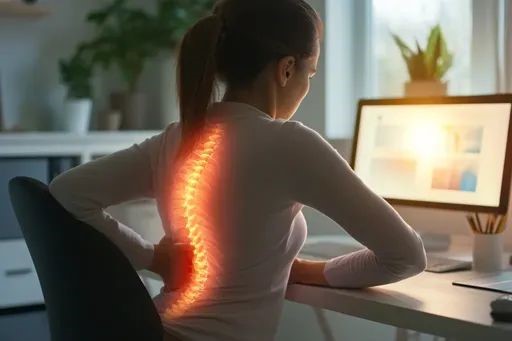
Every evening after returning home from work, Nikhil followed the same routine.
He would place his laptop bag on the chair, slowly stretch his back for a few seconds, and sit quietly because the stiffness around his lower spine had started becoming difficult to ignore.
At first, the discomfort felt manageable.
Long office hours, continuous sitting, deadlines, and stressful meetings seemed like obvious reasons for the pain. He believed a good night’s sleep would eventually solve the problem.
But over time, the pain stopped disappearing completely.
Some mornings, getting out of bed felt uncomfortable. Sitting continuously during meetings became exhausting. Even bending slightly to pick something up started creating pressure around his lower back.
Still, like many working professionals, Nikhil ignored it.
Pain relief sprays, temporary stretches, and occasional rest became part of his routine while the actual spinal stress quietly continued worsening underneath.
That situation reflects what many office workers and professionals silently experience today.
Lower back pain after long working hours is often dismissed as temporary work fatigue, but recurring discomfort may sometimes indicate developing orthopedic conditions affecting the spine, muscles, discs, posture balance, and long-term mobility.
Unfortunately, because the symptoms usually progress slowly, many individuals delay orthopedic evaluation until daily movement and comfort become seriously affected.
Why Long Working Hours Quietly Increase Spine Stress
Modern work culture has significantly reduced physical movement while increasing prolonged sitting habits.
Many professionals now spend 8 to 10 hours sitting continuously in front of laptops with very little stretching or mobility throughout the day.
When the body remains in the same posture for long periods, excessive pressure gradually builds around the lower spine, spinal discs, muscles, and surrounding joints.
For Nikhil, prolonged sitting, poor posture, and lack of regular movement had slowly started weakening the muscles supporting his lower back.
Initially, the pain appeared only after long workdays. But gradually, the discomfort became more noticeable during normal daily activities too.
This slow progression often causes many people to normalize recurring back pain instead of identifying the underlying cause early.
Why Lower Back Pain Should Never Be Continuously Ignored
Occasional muscular fatigue may improve with rest.
But recurring lower back pain that repeatedly affects sitting, standing, bending, walking, or sleep quality often indicates deeper orthopedic stress affecting the spine.
Many people experience warning signs such as stiffness after sitting, reduced flexibility, pain while standing up, muscle tightness, discomfort radiating toward the hips or legs, or difficulty maintaining posture comfortably for long periods.
Ignoring these symptoms for months or years may gradually increase pressure on the spinal structures and worsen mobility problems over time.
For some individuals, untreated spine stress may eventually contribute to chronic inflammation, disc-related issues, nerve irritation, posture imbalance, or long-term orthopedic complications.
This is why orthopedic specialists strongly encourage early diagnosis whenever recurring back discomfort starts affecting normal daily movement.
Why Young Professionals Are Increasingly Developing Spine Problems
Back pain is no longer limited to older adults.
Orthopedic specialists today frequently treat younger office professionals, remote workers, IT employees, and desk-job workers experiencing posture-related spinal discomfort much earlier than before.
Sedentary lifestyles, poor workstation ergonomics, prolonged screen exposure, stress, obesity, lack of exercise, and weak core muscles are all contributing to rising spine-related problems across younger age groups.
For many professionals, even after office hours, physical movement remains limited because of continued screen usage at home.
Over time, these habits quietly affect spinal flexibility, posture stability, muscle balance, and long-term spine health.
At ORTHOPOD, many patients initially believe their pain is temporary office fatigue, only to later discover posture-related orthopedic conditions requiring structured treatment and rehabilitation.
Why Depending Only on Temporary Pain Relief Delays Recovery
Many individuals continue relying on painkillers, sprays, heating pads, or short-term rest without correcting the actual cause behind their discomfort.
While these methods may reduce symptoms temporarily, they often do not address the ongoing spinal stress affecting the body every day.
For Nikhil, temporary relief initially made the pain feel manageable. But the actual pressure on his spine continued worsening because the posture habits and prolonged sitting routine remained unchanged.
This is one reason recurring back pain often keeps returning repeatedly.
Long-term recovery usually requires identifying the root cause and correcting the orthopedic stress affecting the spine.
How Early Orthopedic Care Helps Prevent Chronic Spine Problems
One of the biggest advantages of early orthopedic consultation is preventing minor posture-related strain from developing into severe long-term spinal conditions later.
When diagnosed early, many spine-related problems can often improve through physiotherapy, posture correction, strengthening exercises, mobility-focused rehabilitation, ergonomic improvements, stretching routines, and lifestyle modifications.
For Nikhil, proper orthopedic evaluation helped identify that poor sitting posture, weak supporting muscles, and prolonged desk work were continuously straining his lower spine.
With guided treatment, strengthening exercises, movement correction, and posture-focused rehabilitation, his stiffness gradually reduced and sitting comfortably became easier again.
That improvement often becomes possible only when treatment focuses on correcting the actual source of the problem rather than simply masking the pain temporarily.
Advanced Orthopedic Care Is Improving Recovery Outcomes
Modern orthopedic treatment today focuses not only on reducing pain but also on improving long-term spinal health, flexibility, posture balance, and movement quality.
Depending on the severity of the condition, treatment may involve rehabilitation-focused physiotherapy, spine care management, posture correction programs, minimally invasive orthopedic procedures, mobility improvement therapy, and advanced diagnostic evaluation.
At ORTHOPOD, personalized treatment plans are carefully designed according to each patient’s work routine, lifestyle habits, mobility goals, and severity of spinal discomfort.
Dr. Harshad Jadhav specializes in advanced orthopedic care and modern spine treatment approaches focused on helping patients restore movement, reduce discomfort, and improve long-term physical comfort safely and effectively.
Small Daily Changes Can Help Protect Spine Health
Many office-related spine problems can often improve significantly through simple but consistent lifestyle changes.
Maintaining proper sitting posture, adjusting workstation ergonomics, strengthening core muscles, stretching regularly, staying physically active, and taking movement breaks every 30 to 45 minutes can all help reduce unnecessary stress on the lower spine.
Even small walking breaks during office hours can improve circulation and reduce stiffness caused by prolonged sitting.
Most importantly, recurring lower back pain should never become something people simply tolerate because of professional responsibilities or busy schedules.
Why Patients Trust ORTHOPOD for Advanced Spine Care
Patients today increasingly seek orthopedic clinics that combine advanced medical expertise with personalized, recovery-focused treatment.
ORTHOPOD has become a trusted destination for orthopedic care in Mumbai because of its patient-centric approach, modern treatment techniques, rehabilitation-focused care, and commitment to improving long-term mobility and quality of life.
The clinic focuses on helping patients reduce discomfort, improve posture, restore flexibility, and return comfortably to everyday life through advanced orthopedic treatment and personalized recovery planning.
Conclusion
Ignoring lower back pain after long working hours may seem manageable initially, but recurring discomfort can sometimes indicate developing spinal problems that gradually worsen over time.
Persistent pain, stiffness, reduced flexibility, and posture-related discomfort may eventually affect movement, productivity, comfort, and overall quality of life if left untreated.
Early orthopedic evaluation and proper treatment can help reduce spinal stress, improve posture, restore movement comfort, and protect long-term spine health before the condition becomes more severe.
At ORTHOPOD, patients receive advanced orthopedic care designed to improve movement, reduce discomfort, and support long-term recovery through personalized treatment approaches and modern orthopedic techniques.
Dr. Harshad Jadhav
ORTHOPOD Clinic, Mumbai
Website:
Orthopod Official Website
Location:
Andheri East, Mumbai, Maharashtra
Phone Number:
+91 88288 66788
Practice Hours:
Mon and Sat – 10 am to 9 pm
Sunday – 10 am to 1 pm (By Appointment)
Recent Posts
-
 Why More Athletes Are Moving Toward Minimally Invasive Orthopaedic Procedures for Recovery and Performance Demands
 -
 Sports Injury Recovery Taking Too Long Due to Delayed Treatment and Improper Rehabilitation Approaches
 -
 Still Playing Through Knee Injuries While Untreated ACL Tears Continue Increasing the Risk of Long-Term Joint Damage
 -
 Why Modern Office Lifestyles Are Increasing Orthopaedic Problems Faster Than Ever Before
 -
 Ignoring Lower Back Pain After Long Working Hours? It Could Lead to Chronic Spine Problems