Every morning before leaving for work, Rajesh followed the same routine. He quickly grabbed his office bag, locked the apartment door, and rushed downstairs to avoid Mumbai traffic.
But over the last few months, something had quietly started changing.
Climbing stairs had become uncomfortable.
At first, it felt like a mild strain around the knee. Some days there was stiffness. Other days there was a sharp pulling sensation while climbing upstairs after a long day at work.
Like many people, Rajesh ignored it.
He blamed age, work stress, long sitting hours, and lack of exercise. A pain relief spray and occasional rest seemed enough for a while.
Until one evening, the pain became difficult to ignore. Even walking upstairs at home started feeling exhausting.
That moment reflects something many people silently experience today.
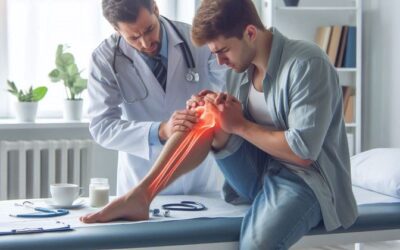
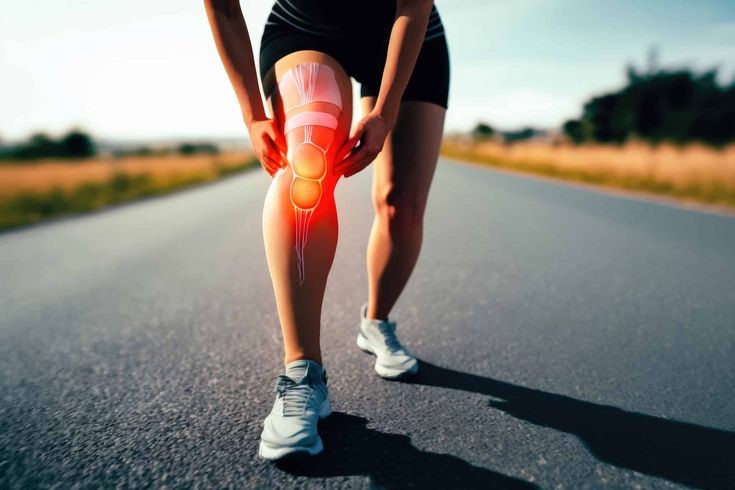
Knee pain while climbing stairs is often dismissed as temporary tiredness or “normal aging,” but in many cases, it may actually be one of the earliest warning signs of developing joint damage, cartilage wear, ligament strain, or early-stage arthritis.
Modern lifestyles, long sitting hours, reduced physical activity, obesity, sports injuries, and repetitive stress on the joints are causing knee-related problems to appear much earlier than before. Many patients seek treatment only after the pain starts interfering with daily life. Unfortunately, delayed diagnosis can sometimes allow joint damage to worsen gradually over time.
Why Stair Climbing Often Reveals Early Knee Problems
Walking on flat surfaces may not always put enough pressure on damaged knee structures to cause noticeable pain. But climbing stairs places significantly higher stress on the knee joints, cartilage, ligaments, and surrounding muscles. This extra pressure often exposes early joint problems much sooner.
For Rajesh, the pain became more noticeable while climbing stairs because his knee joint was already experiencing gradual cartilage wear and inflammation caused by prolonged sitting, weight gain, and reduced physical activity.
Many people quietly experience symptoms like knee stiffness after sitting for long periods, clicking sounds while moving the knee, swelling, weakness during walking, or difficulty bending the knee comfortably. These warning signs may appear small initially, but they should never be continuously ignored.
Why Knee Problems Are Increasing Even Among Younger Adults
Knee pain is no longer limited to elderly individuals alone.
Orthopedic specialists today increasingly treat working professionals, gym-goers, athletes, and even younger adults struggling with knee discomfort and mobility issues.
Modern routines are quietly affecting joint health more than many people realize. Long desk hours weaken supporting muscles around the knee. Sudden intense workouts without proper conditioning increase ligament stress. Excess body weight places continuous pressure on knee cartilage. Poor posture and lack of mobility exercises further accelerate joint strain.
For some individuals, old sports injuries or untreated ligament tears gradually worsen over time and eventually begin affecting daily movement.
At ORTHOPOD, many patients initially visit the clinic believing their knee pain is temporary, only to later discover underlying orthopedic conditions that require proper evaluation and treatment.
How Ignoring Early Knee Pain Can Lead to Serious Joint Damage
One of the biggest mistakes patients make is waiting too long before consulting an orthopedic specialist.
Knee joints naturally absorb pressure throughout the day. When cartilage begins wearing down or joint structures become inflamed, continuous strain without treatment can slowly worsen the condition.
Over time, untreated knee problems may contribute to progressive cartilage damage, ligament injuries, joint inflammation, reduced mobility, early arthritis, and chronic pain during movement.
For Rajesh, avoiding treatment initially caused the discomfort to become more frequent and intense. What started as occasional pain during stair climbing slowly affected walking distances, sitting posture, and even sleep quality.
Early orthopedic evaluation could have helped reduce stress on the joint before the condition progressed further. This is why orthopedic specialists strongly encourage early diagnosis whenever recurring knee pain starts affecting normal daily movement.
Why Early Diagnosis Makes Recovery Easier
One of the most important advantages of early orthopedic care is preventing long-term joint deterioration.
When diagnosed early, many knee conditions can often be managed through physiotherapy, strengthening exercises, weight management, lifestyle improvements, medication, and minimally invasive orthopedic procedures.
Not every patient with knee pain requires surgery. In fact, many individuals recover successfully when treatment begins before severe joint damage develops.
At ORTHOPOD, treatment plans are personalized according to the patient’s age, mobility goals, lifestyle, activity level, and severity of joint damage. The clinic focuses not only on pain relief but also on improving long-term mobility, flexibility, strength, and quality of life.
Advanced Orthopedic Treatments Are Improving Recovery Outcomes
Orthopedic care has advanced significantly in recent years.
Modern treatment approaches now focus on precision, faster recovery, reduced pain, and mobility restoration. Depending on the condition, patients today may benefit from advanced orthopedic solutions such as arthroscopy, ligament reconstruction, sports injury treatment, cartilage preservation procedures, robotic knee replacement, and physiotherapy-guided rehabilitation.
Dr. Harshad Jadhav at ORTHOPOD specializes in advanced knee care, arthroscopy, arthroplasty, and modern orthopedic treatments designed to help patients regain comfortable movement safely and effectively.
Small Lifestyle Changes Can Protect Your Knee Health
Many knee problems become worse because people continue repetitive habits that place excessive stress on the joints.
Simple preventive steps can make a significant difference over time. Maintaining healthy body weight, improving leg muscle strength, stretching regularly, avoiding sudden overexertion, wearing supportive footwear, and reducing prolonged sitting can all help support knee health.
For office workers especially, long hours of sitting without movement often contribute to stiffness and muscle weakness around the knee joints. Even small daily mobility exercises and regular walking breaks can improve joint flexibility and circulation.
Most importantly, persistent knee pain should never be normalized. Pain is often the body’s way of signaling that the joint needs attention.
Why Patients in Mumbai Trust ORTHOPOD for Advanced Knee Care
Patients today increasingly seek orthopedic clinics that combine medical expertise with personalized care and long-term recovery support.
ORTHOPOD has become a trusted destination for orthopedic treatment in Mumbai because of its patient-focused approach, advanced treatment methods, experienced surgeons, and commitment to mobility restoration.
The clinic focuses on helping patients recover comfortably while improving confidence, movement, and overall quality of life.
Conclusion
Ignoring knee pain while climbing stairs may seem harmless initially, but recurring discomfort can sometimes indicate early joint damage, cartilage wear, ligament strain, or developing arthritis.
Early diagnosis and proper orthopedic care can help prevent worsening joint problems while improving mobility, recovery, and long-term joint health.
At ORTHOPOD, patients receive advanced orthopedic care designed to restore movement, reduce pain, and support long-term recovery through personalized treatment approaches and modern orthopedic techniques.
Dr. Harshad Jadhav
ORTHOPOD Clinic, Mumbai
Website:
Orthopod Official Website
Location:
Andheri East, Mumbai, Maharashtra
Phone Number:
+91 88288 66788
Practice Hours:
Mon and Sat – 10 am to 9 pm
Sunday – 10 am to 1 pm (By Appointment)
Recent Posts
-
 Sports Injury Recovery Taking Too Long Due to Delayed Treatment and Improper Rehabilitation Approaches
 -
 Still Playing Through Knee Injuries While Untreated ACL Tears Continue Increasing the Risk of Long-Term Joint Damage
 -
 Why Modern Office Lifestyles Are Increasing Orthopaedic Problems Faster Than Ever Before
 -
 Ignoring Lower Back Pain After Long Working Hours? It Could Lead to Chronic Spine Problems
 -
 How Poor Posture, Desk Jobs, and Sedentary Work Culture Are Quietly Damaging Joint and Spine Health in Young Professionals